
Fishing for Beginners: Complete Guide to Get Started Easily
The pursuit of angling offers profound calm, exhilarating moments, and an intimate bond with the natural world. This extensive handbook provides budding fishers with the core understanding and precise methods required for a confident inaugural cast. Indeed, this piece stands as the quintessential fishing for beginners primer, laying out every detail from vital equipment to indispensable safety measures. Newcomers will acquire concrete guidance, guaranteeing a seamless and pleasant entry into their fishing explorations. It is, unequivocally, the premier beginner fishing guide accessible right now.
Essential Gear for Fishing for Beginners
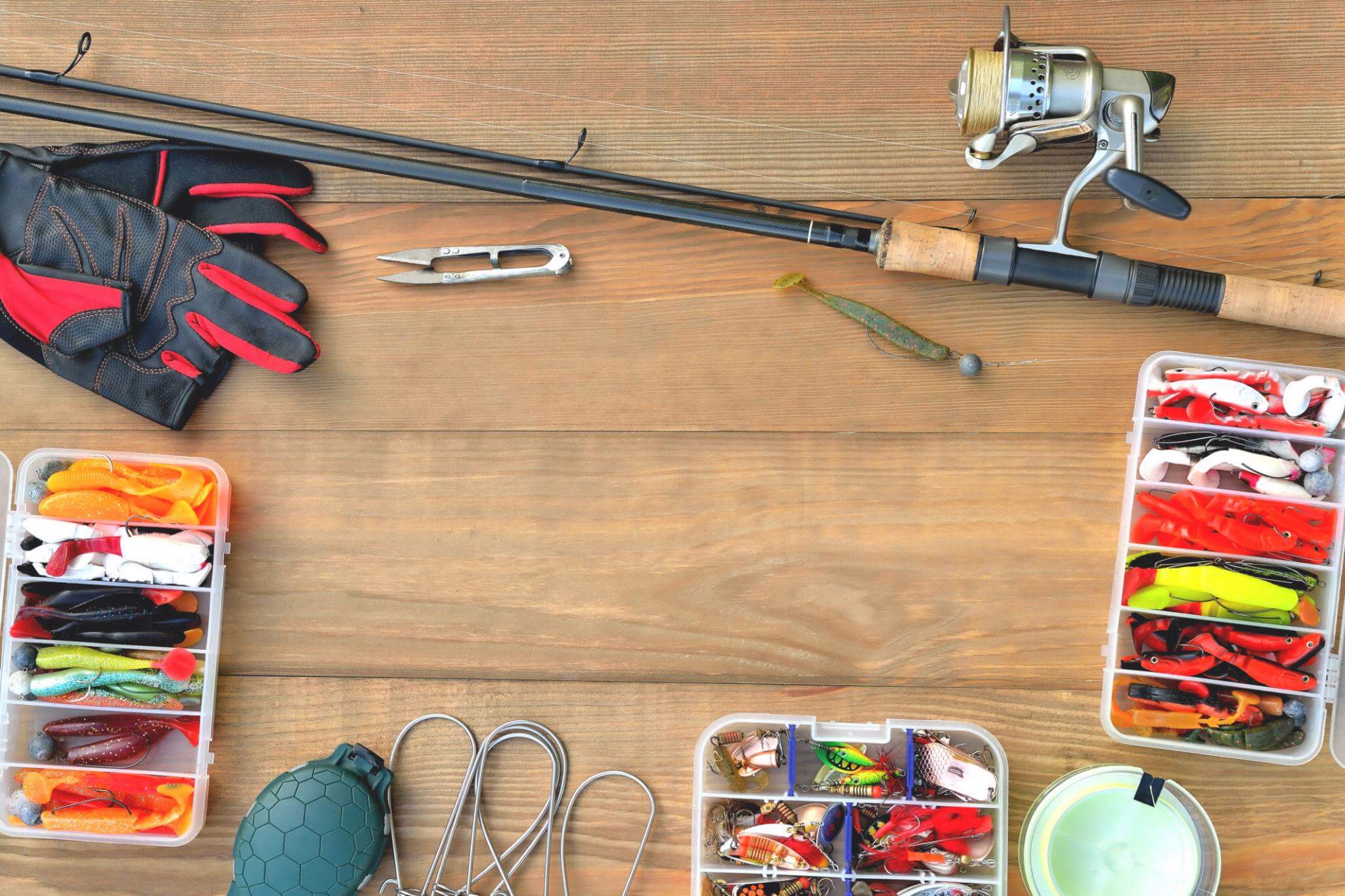
Launching into fishing for beginners demands careful selection of suitable, uncomplicated equipment. This gear must strike a balance between effortless handling and productive results. A spin-casting rod and reel, usually between five and seven feet long, delivers remarkable adaptability and ease of operation across many freshwater species. Choose a medium-light power rod. Such a rod bends enough to sense faint nibbles from smaller fish, yet possesses ample strength for reeling in those slightly heftier catches, up to five to ten pounds. The reel ought to come pre-loaded with six to ten-pound test monofilament line. This durable, yielding material tangles less readily than braided lines, making it perfect for novices. Crucial terminal tackle encompasses diverse hooks; sizes six through ten prove exceedingly adaptable for typical inhabitants like panfish, perch, and small bass. An assortment of split-shot sinkers grants exact control over bait depth. Bobbers, meanwhile, signal a fish’s strike with unmistakable visual cues. A compact, tidy tackle box, multi-purpose pliers for careful hook extraction, and a measuring tape—to observe catch regulations—round out the fundamental ensemble. This preparation covers almost any standard fishing situation a new angler might face. A small landing net merits consideration too; it helps secure fish gently prior to unhooking, thereby fostering a more humane release.
Understanding Basic Fishing Techniques
Grasping a handful of core techniques profoundly elevates the initial foray into fishing for beginners, converting apprehension into gratifying achievement. Still fishing, the simplest and often most potent method, involves a baited hook, weighted lightly, resting either upon the bottom or held at a set depth beneath a bobber. This unhurried tactic works exceptionally well for panfish, catfish, and carp; these species frequently seek food near the lakebed. Live worms, corn kernels, or small bread fragments serve as reliably successful and readily sourced bait. When pursuing active fishing, mastering a foundational cast becomes utterly vital. Grip the rod with the reel positioned beneath. This provides a firm, comfortable hold. Then, open the bail. Execute a fluid, deliberate sweep: bring the rod tip upward and backward, over your shoulder, pausing near the ten o’clock mark. Next, swiftly propel it forward, releasing the line just as the rod reaches eleven o’clock. Seek a soft, controlled descent of your bait into the water, minimizing any disturbance that might alarm fish. A slow, steady retrieve often lures predatory species like bass and perch, replicating the natural movement of their sustenance. Altering retrieval speeds, perhaps adding faint twitches or brief hesitations, further imitates injured prey. This dramatically raises the chance of a strike. Practice casting in an expansive space, sans hooks—perhaps with a practice plug. Build muscle memory, hone precision, and cultivate assurance before ever attaching sharp hooks.
Choosing the Right Fishing Location
Locating fruitful fishing areas stands as an essential aptitude for anyone new to fishing for beginners. Public parks boasting dedicated fishing ponds or lakes make superb initial venues. Often, these contain typical species like bluegill and trout. Such sites commonly offer reachable banks and straightforward rules. Search for submerged features: fallen trees, dense weed beds, or rock formations. These spots offer both shelter and feeding territories for fish. Deeper water sections, particularly when temperatures climb, can also harbor fish seeking cooler conditions. Engaging local bait shops or perusing online forums yields priceless, current intelligence on recent hauls and prime locations. Always review local fishing mandates and procure the requisite permits prior to venturing forth. This guarantees a lawful and accountable fishing outing.
Safety First: Important Considerations for Beginners
Placing safety above all else proves absolutely mandatory for anyone involved in fishing for beginners. Always don a life vest when on a boat or close to deep, swift currents, even if you swim proficiently. Shielding oneself from the sun is paramount; slather on sunscreen with an SPF of thirty or higher, sport a wide-brimmed hat, and employ polarized sunglasses to guard your vision and lessen glare. Exercise extreme care when handling hooks. A barbed hook inflicts severe harm. Employ pliers for hook extraction, particularly from fish, to lessen direct contact. Remain vigilant of your environment. Consult weather predictions before setting out. Be attentive to slick banks, uneven ground, and local fauna. A fundamental first-aid kit swiftly deals with minor cuts or abrasions, guaranteeing a secure excursion.
Common Mistakes and How to Avoid Them
First-time anglers frequently face particular hurdles. Yet, acknowledging and confronting these vastly enhances the entire undertaking of fishing for beginners. A common misstep concerns deploying bait or hooks that are too large. Smaller, suitably proportioned presentations frequently net more strikes from a broader spectrum of species. Another prevalent blunder: impatience. Angling demands tenacity; triumph seldom materializes instantly. Commit a minimum of one to two hours to any given locale before contemplating a change of position. Over-casting, or casting too often, likewise startles fish. A gentle, calculated method often yields greater success. Lastly, failing to tie knots correctly compromises line integrity, resulting in lost fish and lost tackle. Master and rehearse a select few dependable knots, such as the improved clinch knot. This knot preserves roughly ninety-five percent of the line’s inherent strength, assuring solid attachments. Regular drilling and an eagerness to absorb lessons from every venture hasten the acquisition of proficiency.
Conclusion
Conquering fishing’s foundational elements transmutes a newcomer into a self-assured angler, unlocking boundless hours of open-air pleasure. This initial foray into fishing for beginners commences with choosing the correct fundamental equipment, grasping straightforward yet potent methods, and meticulously investigating potential fishing grounds. Setting safety first, by means of suitable gear and environmental awareness, wards off typical dangers. Learning from early errors—like employing oversized bait or showing insufficient patience—markedly quickens one’s climb toward expertise. Embrace the educational process. Stay resolute. Savor the distinctive payoffs fishing presents. Your own fishing sagas await.

Comments are closed